RonoITU
Guides, foods, maths and more from student life.
Guides, foods, maths and more from student life.

To get started on F#, this article covers some necessary tools and basics to get you started on writing simple CLI programs.

I step aside from classic teaching about functional programming to consider F# as a general purpose language for .NET development. We start here with a classic OOP critique point concerning how data and functions are structured.

First of the F# Intro Series. This article is about exam experiences, my motivation to bring this series, and what readers can expect. Also some important links to F# resources to start.
Working instructions for my Pintos development environment on WSL.
Experience setting up a Pintos development environment on Windows Subsystem for Linux (WSL) with Ubuntu.

Here is a recap on Async and Task expressions in F# These types of expressions allow us to use the .NET task system for concurrent and parallel programming.
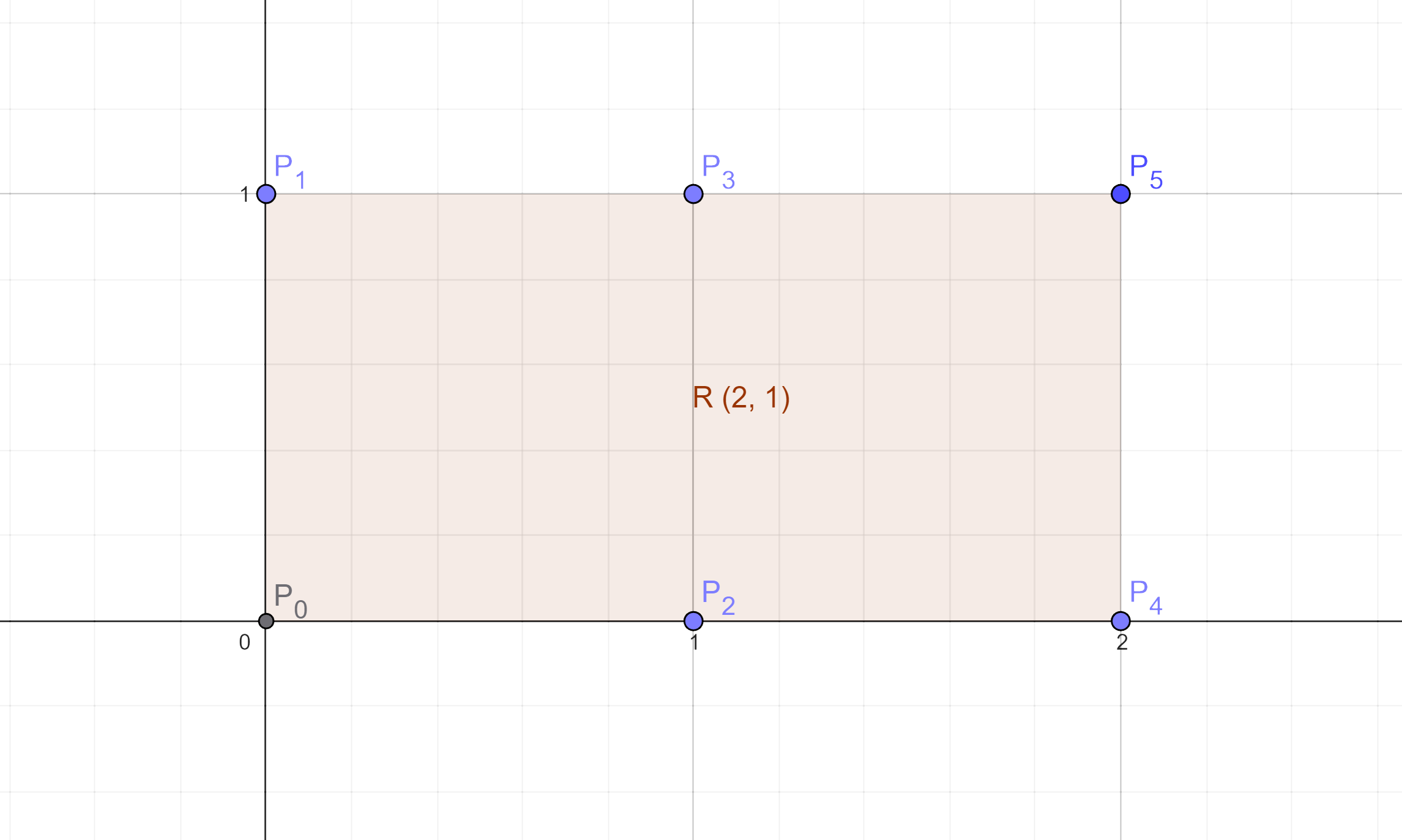
For many types of problems, two or more for-loops are nested to iterate over multiple dimensions. In this article, we look at how to do this recursively in F#.

Here is a quick recap on the F# type system focused on data types. This covers tuples, unions and records.

In this article, I demonstrate how to build a basic iterator using different recursive function patterns. This is the first of a series of articles for learning functional programming in F#.
These are comparison parameters for fundamental schemes of distributed mutual exclusion with overly detailed explanations and arguments.